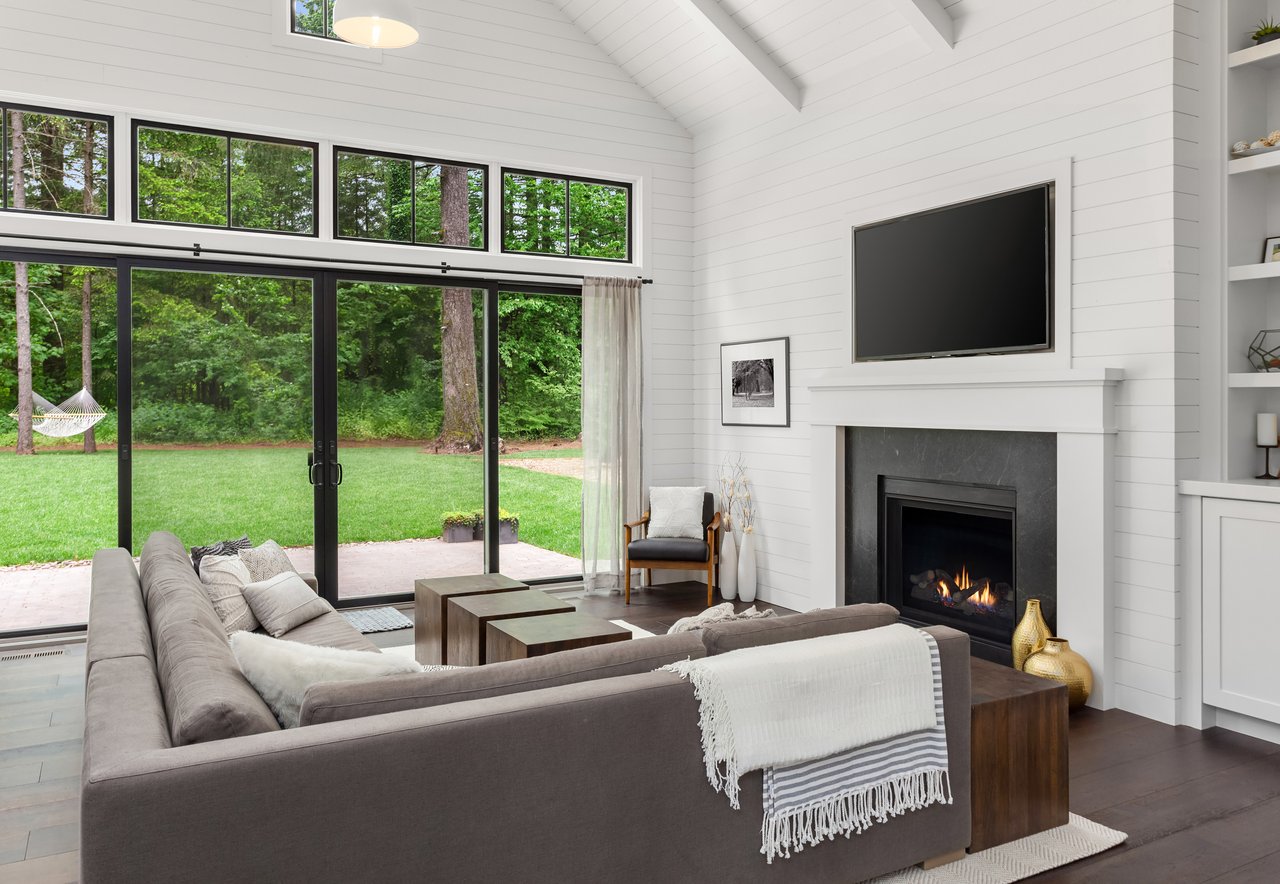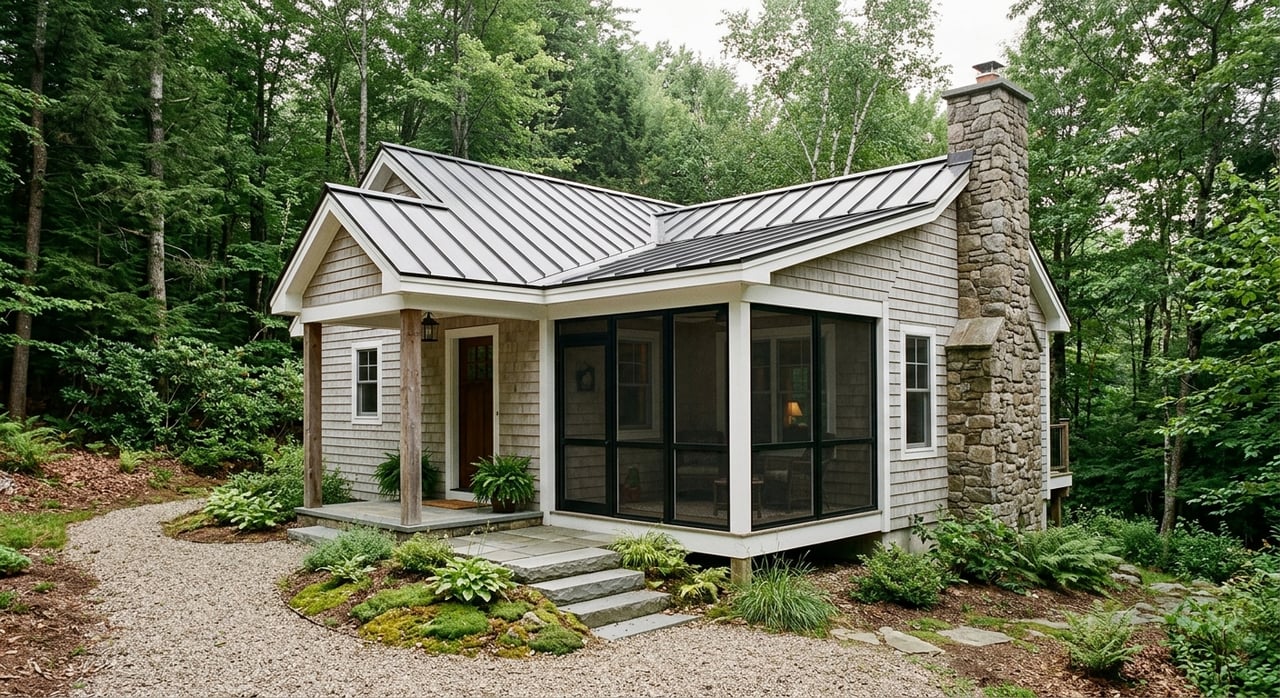
If you are thinking about buying a cabin or cottage in Nebo, the setting is probably a big part of the appeal. With Lake James nearby and easy access to boating, fishing, swimming, and camping through Lake James State Park, it is easy to picture weekends on the water or quiet time in the foothills. But cabin purchases often come with a different checklist than a standard in-town home. This guide will help you focus on the details that matter most so you can buy with more confidence. Let’s dive in.
Why Nebo cabins need extra due diligence
In Nebo, a cabin or cottage purchase is often tied to wooded land, lake access, seasonal use, or a more rural setting. That can mean more moving parts during your review period than you would expect with a typical subdivision property.
McDowell County oversees planning rules that can affect subdivision, zoning, watershed requirements, flood damage prevention, and the Lake James Protection Ordinance. If the property is near the lake or on a more sensitive site, those rules can shape what you can do now and later.
Check zoning, setbacks, and permit history
Before you fall in love with a cabin, make sure the site works for your long-term plans. If you may want to add a deck, garage, guest space, driveway, or outbuilding later, lot size and setback rules matter.
McDowell County notes that minimum lot area and setbacks vary by district. The county also lists watershed permits and shoreline protection permits, which can be especially important for lake-area properties.
Permit history matters too. In McDowell County, the permit portal uses parcel numbers rather than street addresses, and new 911 addresses are required before requesting permits for new construction. That makes the parcel ID and address status worth confirming early.
Understand flood and storm exposure
Cabins are often in beautiful settings, but those settings can also bring added weather and water concerns. Floodplain questions should be taken seriously, especially if the property is near water, low-lying areas, or runoff paths.
McDowell County Building Inspections handles building-code enforcement and NFIP flood regulations. For flood-hazard information, FEMA says the official place to check is the Flood Map Service Center.
This matters for both insurance and lending. FEMA states that federally regulated lenders require flood insurance for buildings in Special Flood Hazard Areas, and flood insurance is separate from standard homeowners insurance. FEMA also notes that NFIP policies generally take 30 days to become effective, so this is not something to leave until the last minute.
It also helps to think about how you will use the property. McDowell County Emergency Management highlights planning for floods, hurricanes, and tornadoes, which is especially relevant if your cabin will sit vacant part of the year.
Confirm water source and water quality
One of the first questions to ask is simple: does the property use public water or a private well? That answer changes your due diligence.
If the cabin is served by public water, you can review information from the Nebo Water Department. If it uses a private well, testing becomes your responsibility.
According to the CDC well-water testing guidance, private well water should be tested at least once a year for total coliform bacteria, nitrates, total dissolved solids, and pH. Testing should also happen sooner if there has been flooding, land disturbance, repairs, or a change in water quality.
That is especially important in foothill and lake settings where heavy rain and runoff can affect groundwater. After a flood, the EPA advises private well owners to contact local or state health officials, disinfect the well, and pump it until the water runs clear before using it again.
Pay close attention to septic systems
For many Nebo cabins and cottages, septic is one of the biggest items to review. A septic system may be out of sight, but it should never be out of mind.
NC State Extension explains that septic systems depend on suitable soil conditions. You should know the location of the tank, drainfield, and repair area before you close.
That repair area matters more than many buyers realize. NC State Extension recommends keeping it clear of additions, garages, outbuildings, pools, and similar disturbances. If you are buying a cabin with plans to expand later, that can directly affect what is possible.
Ongoing care matters too. Septic systems are not maintenance-free, and pumping a system after the drainfield has already clogged will not restore it. Routine pumping, limiting excess water use, and keeping surface water away from the system can help extend its life.
Focus inspections on costly cabin issues
With cabins and second homes, the big risks are often not cosmetic. The issues that cost the most are usually tied to systems, moisture, and seasonal vacancy.
A strong inspection strategy should pay close attention to:
- Roof condition and drainage
- Signs of leaks or water intrusion
- Septic function and site layout
- Well-water quality or public-water service details
- Flood exposure and site runoff patterns
- Heating systems and fire safety items
Moisture deserves special attention. The EPA notes that mold growth is driven by moisture from leaks, seepage, condensation, or flooding. That makes roof leaks, plumbing leaks, window leaks, and hidden damp areas important inspection targets.
Heating and fire safety also matter in cabins that may have fireplaces, wood stoves, or space heaters. McDowell County Building Inspections highlights smoke alarms, carbon monoxide safety, wildfire safety, and evacuation checklists, and the CDC recommends yearly servicing of fuel-burning appliances and battery-operated CO detectors.
Think through year-round use
A cabin may feel like a simple getaway, but a lender and insurer may look at whether it is suitable for full-year occupancy. That can affect both financing options and your practical enjoyment of the property.
For conventional second-home financing, Fannie Mae states that the property must be a one-unit home, suitable for year-round occupancy, occupied by the borrower for part of the year, under the borrower’s exclusive control, and not a rental property or timeshare. Rental income may be acceptable only in limited situations and cannot be used for qualifying if the property must meet second-home rules.
If you are looking at USDA financing, the USDA Single Family Housing Guaranteed Loan Program applies to eligible rural areas and primary residences only. USDA says the home must be a permanent residence and cannot be income-producing.
In plain terms, the way you plan to use the cabin matters. A property you want for occasional recreation, year-round living, or future rental use may fit very different loan guidelines.
Plan for closing details early
Cabin transactions can involve more coordination than buyers expect. Loan type, flood-zone questions, permit history, tax status, and utility details can all affect timing.
One local detail that often surprises buyers is deed recording. McDowell County requires a tax certification request with the parcel number before recording, and the county prohibits recordation of deeds with delinquent taxes.
The county also notes a 2027 real-property reappraisal, so current tax estimates should be treated as subject to change. That does not mean you should be worried, but it does mean you should review the tax picture carefully as part of your budget.
This is one reason I encourage buyers to line up their lender, inspector, closing attorney, and any county-office questions early. On a cabin or cottage purchase, that extra coordination can help keep surprises to a minimum.
Don’t overlook everyday logistics
When you picture cabin life, it is easy to focus on views and outdoor space. It is just as important to think through the small practical details that affect day-to-day ownership.
For example, part-time owners still need routine trash and recycling access. McDowell County operates seven convenience centers for solid waste and recyclables, including locations in Nebo and Dysartsville.
You should also think about access during storms, how often the property may sit vacant, and how you will monitor systems when you are away. Those are not flashy topics, but they can make a big difference in how easy the property is to own and enjoy.
A smart cabin purchase starts with the right questions
Buying a cabin or cottage in Nebo can be a great lifestyle move, whether you want a peaceful retreat, a second home near Lake James, or a foothills property with room to breathe. The key is making sure the property works not just for the dream, but for the details.
If you want guidance from someone who understands the local foothills and lake-area market, I would be glad to help you evaluate the property, the site, and the questions that come up before you commit. Connect with Tim Newton to start the conversation.
FAQs
What should you check before buying a cabin in Nebo?
- You should review zoning, setbacks, permit history, water source, septic details, flood exposure, and whether the property fits your financing and insurance needs.
How do private well rules affect a Nebo cabin purchase?
- If a cabin uses a private well, you are generally responsible for testing and protecting the water supply, and the CDC recommends annual testing plus extra testing after flooding, repairs, or water-quality changes.
Why is septic so important when buying a cottage in Nebo?
- Septic systems depend on soil conditions and proper maintenance, and the location of the tank, drainfield, and repair area can affect both current use and future improvements.
Do Nebo cabin buyers need to check flood maps?
- Yes, FEMA says its Flood Map Service Center is the official source for flood-hazard information, and flood insurance may be required by lenders if the property is in a Special Flood Hazard Area.
Can you finance a second home cabin in Nebo?
- Possibly, but loan rules vary. Fannie Mae has specific second-home standards, and USDA financing is for eligible rural primary residences rather than second homes or income-producing properties.