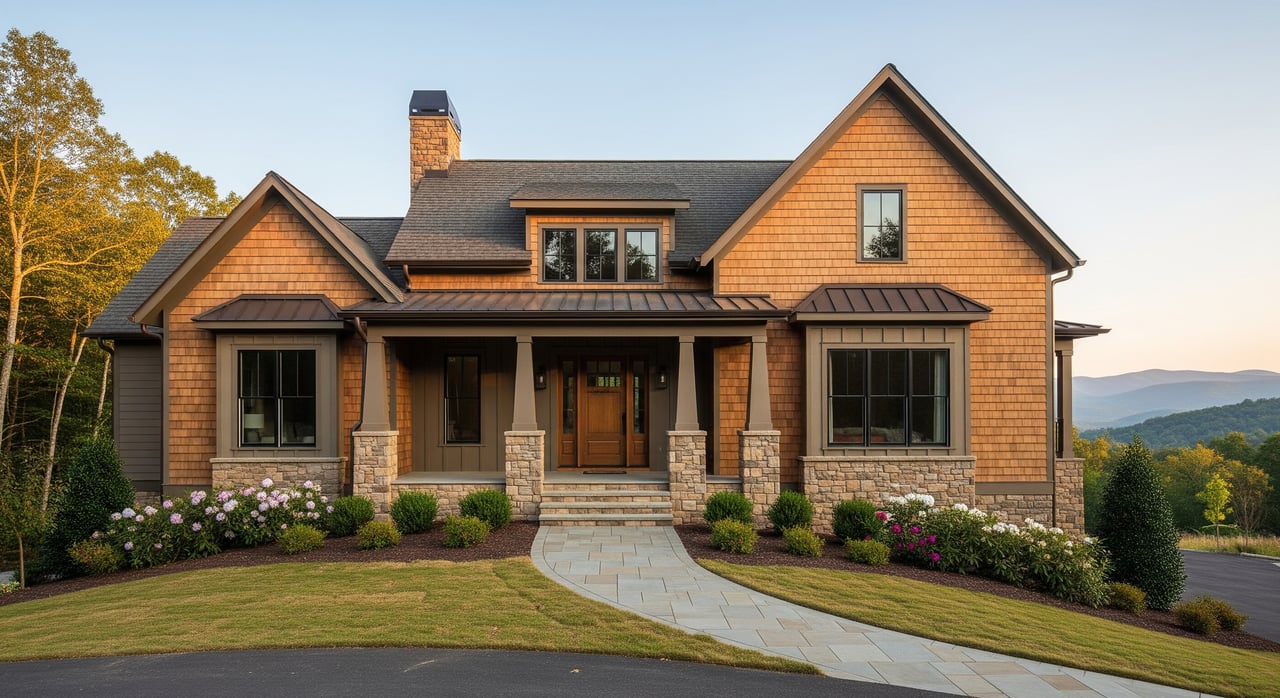
Buying your first home in Lenoir is exciting, but it can also feel like a maze of steps, fees and decisions. You want a clear plan, reliable resources and local insight so you can buy with confidence. In this guide, you’ll get a simple step-by-step path tailored to North Carolina, plus Lenoir and Caldwell County tips that first-time buyers often miss. You’ll also find links to official resources so you can verify details and move forward with clarity. Let’s dive in.
Step 1: Get pre-approved the right way
A true pre-approval, not just a quick pre-qualification, is your starting line. A lender will verify your income, assets and credit to give you a conditional loan amount and a rate estimate. Gather recent pay stubs, W-2s, bank statements, photo ID and your Social Security number. If you rent, be ready to document your rental history.
Ask lenders who know Caldwell County about common property types in and around Lenoir, including homes on city utilities versus private well and septic. If you want budgeting or credit guidance, use a HUD-approved counselor for objective help. You can search for counselors on the HUD housing counseling page.
Step 2: Build a realistic budget
Price is only part of the picture. Plan for monthly principal, interest, taxes and insurance, plus HOA dues if applicable, utilities and routine maintenance. In North Carolina, include two one-time items many first-time buyers overlook: the Due Diligence Fee and closing costs.
Closing costs commonly range from about 2 to 5 percent of the purchase price, depending on your loan type and prepaid items. Ask your lender for a detailed Loan Estimate so you can compare rates and fees. Use conservative estimates for property taxes and insurance until you have firm quotes.
Step 3: Choose your Lenoir location
As you search, focus on daily-life details. Look at commute routes, access to services and whether an address is on city water and sewer or private well and septic. The City of Lenoir’s official site is a good starting point for utility information and local services.
If a home might be near a creek or low-lying area, flag flood risk early. You can check each address on the FEMA Flood Map Service Center. If schools are important to you, confirm assignment zones directly with Caldwell County Schools. Keep your research neutral and focus on objective fit and logistics.
Step 4: Write a smart offer in North Carolina
North Carolina uses a standard Residential Offer to Purchase and Contract. A key NC feature is the Due Diligence Period, which gives you an agreed window of time to complete inspections and decide whether to proceed. You also negotiate a Due Diligence Fee, paid to the seller in exchange for taking the home off the market during your investigation period.
During the due diligence period, you can typically cancel for any reason, though you may forfeit the fee based on your contract. Earnest money is separate and usually held in escrow. For an overview of consumer protections and standard forms, visit the North Carolina Real Estate Commission.
Step 5: Inspect and verify what you’re buying
Use your due diligence window to dig in. Common inspections include general home, HVAC, roof, chimney, and wood-destroying insects. If the property has a well or septic, schedule a well flow and water quality test and a septic system inspection.
For homes built before 1978, federal rules require lead-based paint disclosures and a specific pamphlet for buyers. You can learn more on the HUD lead-based paint page. If the home appears in a mapped flood zone, get a flood insurance quote now and weigh the long-term cost.
Step 6: Appraisal and underwriting
Your lender will order an appraisal to confirm value for the loan. If the appraisal comes in low, you can renegotiate with the seller, bring additional cash to cover the difference or, in some cases, the lender may decline the loan. Provide any extra documents your lender requests quickly so underwriting can clear you for closing.
Step 7: Close with confidence
Once your lender issues a clear to close, you’ll review your Closing Disclosure, sign the final documents and your attorney or closing agent will record the deed. When funds record, you receive your keys. Expect closing costs in the several-percent range of your purchase price, which typically include origination fees, title insurance, recording fees, homeowner’s insurance and prepaid taxes.
First-time buyer loans and assistance in NC
You have several financing options. Compare programs and ask lenders to walk you through rate, cash to close and monthly payment scenarios.
Common loan types
- Conventional loans can start around 3 percent down for certain programs, though 5 to 20 percent is common. You’ll pay PMI if you put less than 20 percent down.
- FHA loans offer flexible underwriting with as little as 3.5 percent down for qualifying credit profiles. FHA is overseen by HUD.
- VA loans offer 0 percent down for eligible veterans and service members. Learn about eligibility on the VA home loan page.
- USDA Rural Development loans offer 0 percent down for qualified buyers and eligible properties. Many areas around Lenoir may qualify. Check addresses on the USDA eligibility map.
North Carolina Housing Finance Agency (NCHFA)
The North Carolina Housing Finance Agency offers first-time buyer-friendly mortgages, down payment assistance and the Mortgage Credit Certificate that can reduce your federal tax liability if you qualify. These programs have income and purchase price limits and other criteria, so review the latest guidelines and ask your lender which options you may use.
Down payment and closing cost help
Down payment assistance can bridge the gap between what you have saved and what you need to close. NCHFA is the primary state source, and local nonprofits may offer limited programs from time to time. For budgeting support and DPA navigation, you can connect with a HUD-approved counselor on the HUD counseling site.
Lenoir and Caldwell County must-knows
A little local homework can protect your investment and prevent surprises later.
Utilities, wells and septic
In-town Lenoir addresses often connect to city water and sewer. Outlying areas may rely on private wells and septic systems. Confirm utility status up front and schedule the right inspections during due diligence. Start with the City of Lenoir for utility contacts and service areas.
Taxes and public records
Property taxes are administered by Caldwell County. You can review assessments, tax bills and public records through the county’s official site. For property history and deed records, search the Register of Deeds. Begin at the Caldwell County official site and navigate to the Tax Office and Register of Deeds.
Flood risk and insurance
Lenoir includes foothill terrain with creeks and riparian areas. Always check a property’s flood zone on the FEMA Flood Map Service Center. Even outside mapped floodplains, some lenders or insurers may recommend flood insurance depending on elevation and past claims.
Schools and community info
Caldwell County Schools serves Lenoir. School assignment can affect your daily routine and commute. Confirm address-specific assignment directly with the district and evaluate objective factors like transportation time and schedule fit.
Permits, code and HOAs
Major renovations usually require permits through the City of Lenoir or Caldwell County, depending on location. Verify that any additions or remodels were permitted and inspected. If the home sits in an HOA, review the covenants, conditions and restrictions during due diligence to understand rules, fees and approval processes. Use the North Carolina Real Estate Commission for consumer guidance on reviewing documents and timelines.
Your action checklist and timeline
Use this quick plan to keep your purchase on track.
- Week 1: Pull credit, gather documents and contact 2 to 3 lenders for pre-approval. If you want budgeting help, find a counselor through HUD counseling.
- Weeks 1 to 2: Define your budget with PITI, HOA, utilities and a cushion for maintenance, the Due Diligence Fee and 2 to 5 percent closing costs.
- Weeks 2 to 6+: Tour homes. Confirm city utilities versus well and septic. Check addresses on the FEMA flood map. If schools matter, verify assignment with the district.
- Offer week: Structure your offer using North Carolina’s standard contract. Understand the Due Diligence Period and fee. Review timelines on the North Carolina Real Estate Commission.
- Due diligence, 7 to 14 days typical: Schedule general, pest, HVAC and roof inspections. Add well, water quality and septic inspections if applicable. For pre-1978 homes, review the HUD lead-based paint guidance. Request repairs or credits.
- Weeks 3 to 6: Appraisal and underwriting. Respond promptly to lender conditions. Plan utilities and insurance.
- Closing week: Review your final numbers, complete your walkthrough, sign, and record. Confirm taxes and public records through the Caldwell County site.
Common pitfalls to avoid in Lenoir
- Skipping a septic inspection or well test on properties that need them.
- Underestimating monthly costs like utilities and routine maintenance.
- Overlooking the NC Due Diligence Fee and timeline.
- Ignoring flood risk checks and insurance quotes.
- Failing to verify permits for past renovations or additions.
- Relying only on online estimates instead of local comps and professional guidance.
Ready to start in Lenoir?
Buying your first home in Lenoir should feel achievable, not stressful. If you want a calm, step-by-step plan with local insight across the Burke and Caldwell foothills, I’m here to help you line up the right lenders, structure a strong offer and navigate inspections to a smooth closing. Reach out to Tim Newton and let’s map your path to the right first home.
FAQs
What is the North Carolina Due Diligence Fee?
- It’s a negotiated fee you pay the seller at contract to secure your Due Diligence Period, when you complete inspections and can cancel for any reason under the contract; see consumer resources from the North Carolina Real Estate Commission for details.
Which Lenoir homes may qualify for USDA 0 percent down?
- USDA eligibility depends on the specific address and your household income; check properties on the USDA eligibility map and confirm with your lender.
How do I check flood risk for a Lenoir property?
- Enter the address on the FEMA Flood Map Service Center and ask your insurer for a flood insurance quote to understand potential costs.
Are there first-time buyer programs I can use in Lenoir?
- Yes, the North Carolina Housing Finance Agency offers down payment assistance and the Mortgage Credit Certificate for eligible buyers; your lender can confirm current program rules.
Where can I get objective budgeting or credit help before I buy?
- You can connect with a HUD-approved housing counselor for free or low-cost guidance using the HUD counseling search.