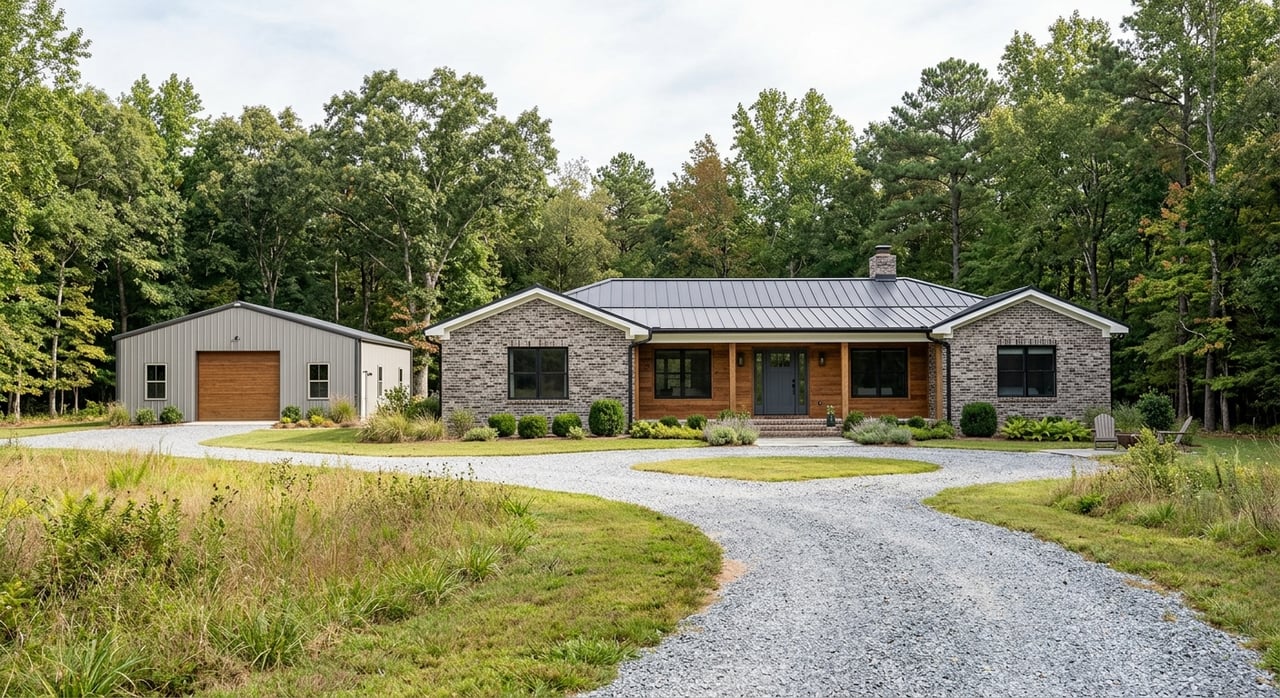
If you are thinking about selling acreage or a rural home near Lenoir, you can expect a very different process than listing a house in town. Buyers usually look past the home itself and dig into access, utilities, boundaries, drainage, and land history before they make an offer. When you know what questions are coming and prepare the right information early, you can make your property easier to understand and easier to market. Let’s dive in.
Why rural listings work differently
Acreage near Lenoir is often a parcel-by-parcel sale, not a simple square-foot comparison. Rural properties across Caldwell County tend to be more spread out and more variable than homes inside Lenoir city limits, which means each tract needs its own story and documentation.
That matters because buyers are not just buying a house or a piece of land. They are also evaluating how the property is accessed, what services are available, how the land lays, and whether there are any limits on future use. In a rural listing, those details often shape value just as much as the home or acreage count.
What buyers want to know first
When buyers look at rural homes and land near Lenoir, their first questions are usually practical. They want to know whether they can get to the property easily, whether it has water and septic options, and whether the boundaries and easements are clear.
They also want to know if a creek, low area, or floodplain could affect building plans, financing, or insurance. If your listing answers those questions up front, you can save time and reduce confusion during showings and negotiations.
Access can make or break interest
For many rural properties, access is one of the first things buyers evaluate. If the property needs a new driveway or a change in access to a state-maintained road, the North Carolina Department of Transportation says a driveway permit is required.
There is no fee to apply, but even simple requests can take about four weeks or more. That is why access should be verified early, especially if the property’s value depends on a future homesite or improved entry.
Utilities are not always straightforward
Unlike many in-town homes, rural properties near Lenoir may have a mix of utility options. Some properties may connect to City of Lenoir water and sewer service, some may be served through Caldwell County’s water system, and others may rely on private wells and septic systems.
That setup should be clearly stated in the listing. Buyers want to know exactly what serves the property now and what may need further review if they plan to build, expand, or change the use.
Septic and well details matter
For septic systems, Caldwell County Environmental Health reviews factors like topography, soil characteristics, soil wetness, soil depth, restrictive layers, and available space before septic approval is issued. That means not every open piece of land is automatically buildable in the way a buyer may assume.
For private wells, the county handles applications, field evaluations, inspections, and water sampling. The county also notes that well yield is not guaranteed, which is an important detail for sellers to understand before marketing a property as ready for certain uses.
Floodplain and drainage deserve attention
Properties near creeks or lower ground often bring extra buyer questions. Caldwell County’s floodplain development process requires flood-zone information and, in some cases, engineering certification.
Before occupancy, an elevation certificate or floodproofing certificate may need to be on file if the property is in a regulated flood area. Even if a buyer is only in the early planning stage, floodplain status can influence how they view the property’s potential.
Drainage also matters beyond formal floodplain lines. Buyers often want to know how water moves across the land, whether certain areas stay wet, and whether the topography supports their intended use.
Boundaries, surveys, and easements
On a rural listing, visible boundary lines are not always obvious on the ground. A fence line, mowed edge, or old trail does not always match the legal boundary.
That is why recorded plats, surveys, and easement documents can be so helpful. Caldwell County GIS provides parcel mapping and links to property maps and Register of Deeds records, making it a useful starting point for gathering the information buyers will likely request.
Shared access needs extra clarity
If your property uses a shared drive, private road, or easement, that should be explained clearly. Buyers want to know who has the right to use the road, who may be responsible for upkeep, and how access works year-round.
The more clearly that information is documented, the easier it is for buyers to understand what they are purchasing. This can also help avoid delays once attorneys, lenders, or inspectors start reviewing the file.
Tax treatment can affect a sale
Some acreage near Lenoir may qualify for North Carolina’s Present-Use Value program. This program taxes qualifying agricultural, horticultural, and forest land based on its current use rather than a higher potential use, which can lower the current tax burden.
That benefit can be valuable, but sellers should understand the details before listing. If land loses qualification, deferred taxes can come due, so buyers will often ask whether the property is currently enrolled and what that could mean after a transfer.
Wooded tracts need special review
If you are selling timberland or heavily wooded acreage, it is wise to review any forest management paperwork and current classification before going to market. The NC Forest Service notes that qualifying forestland treatment is tied to management standards and, in its description, generally a 20-acre minimum tract.
That does not mean every wooded tract qualifies, and it does not mean the same tax treatment will continue after a sale. It does mean sellers should be ready with accurate paperwork and realistic explanations.
The strongest listing package is document-heavy
For a rural home or acreage property, strong marketing usually involves more than photos and a short description. Buyers often feel more confident when they can review property-specific documents early.
In Caldwell County, the most useful listing materials often include:
- Parcel map
- Aerial imagery
- Driveway or access notes
- Utility information
- Septic and well status
- Floodplain status
- Survey or recorded plat, if available
- Easement documents, if applicable
- Present-Use Value or agricultural-related paperwork, if applicable
Caldwell County Soil & Water also offers aerial and topographical maps along with a county soil survey. Those materials can be especially useful when marketing hobby-farm, pasture, timber, or multi-use land because they help buyers better understand how the tract may function.
How this shapes pricing and marketing
Rural pricing is rarely based on one simple formula. Two properties with similar acreage can perform very differently depending on access, utility setup, topography, floodplain concerns, and documentation.
That is why preparation matters. A well-organized listing package can help buyers see the property clearly, reduce uncertainty, and support stronger interest from both local and out-of-area buyers.
For sellers, that often means taking time up front to gather facts before the listing goes live. In many cases, that extra prep can create a smoother path once showings begin.
What to expect as a seller
If you are listing acreage or a rural home near Lenoir, expect more detailed buyer questions than you might get with a typical in-town sale. That is normal, and it is often a sign that buyers are taking the property seriously.
You should also expect the process to involve a little more investigation at the start. Confirming access, utility details, septic or well status, floodplain information, surveys, and tax treatment can help you market with confidence and avoid surprises later.
When rural property is presented clearly, buyers can focus on the opportunity instead of the unknowns. If you are preparing to sell acreage, land, or a rural home in the foothills, working with an experienced local broker can help you put the right information in front of the right buyers from day one.
If you are getting ready to list and want a practical plan for pricing, preparation, and marketing, connect with Tim Newton.
FAQs
What makes acreage listings near Lenoir different from in-town home listings?
- Acreage listings are usually more dependent on parcel-specific details like access, utilities, drainage, boundaries, easements, and land-use history.
What should sellers verify about driveway access near Lenoir?
- If a property needs a new driveway or a change in access to a state-maintained road, NCDOT says a driveway permit is required, and even simple requests can take about four weeks or more.
What utility information should a rural property listing in Caldwell County include?
- A rural listing should clearly state whether the property is served by city water, county water, private well, sewer, septic, or some combination of those systems.
Why do septic and well details matter for rural homes near Lenoir?
- Caldwell County reviews soil, topography, wetness, and space for septic approval, and the county also notes that private well yield is not guaranteed.
How can floodplain status affect a rural property sale in Caldwell County?
- Floodplain status can affect building plans and other property decisions, and certain properties may require flood-zone information, engineering certification, or elevation documentation.
What records should sellers gather before listing acreage near Lenoir?
- Sellers should gather items like parcel maps, aerials, surveys, recorded plats, easement documents, utility notes, septic or well information, floodplain details, and any Present-Use Value paperwork.
What is Present-Use Value for Caldwell County acreage?
- Present-Use Value is a North Carolina program that taxes qualifying agricultural, horticultural, and forest land based on current use rather than higher potential use, and deferred taxes may come due if qualification changes.
Why are surveys and easements important when selling rural land near Lenoir?
- Surveys and easement documents help buyers understand legal boundaries, access rights, and shared-use arrangements, which can reduce confusion and delays during a sale.