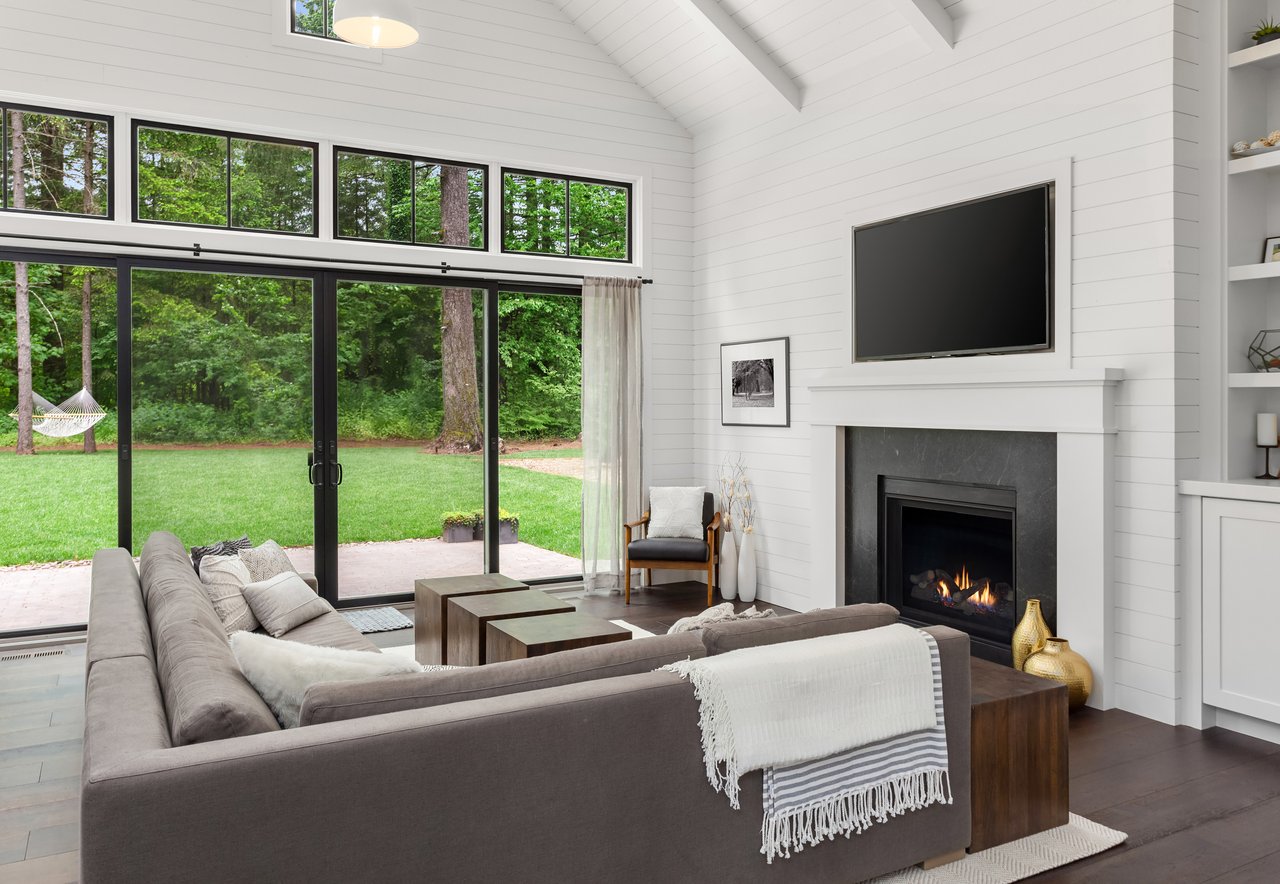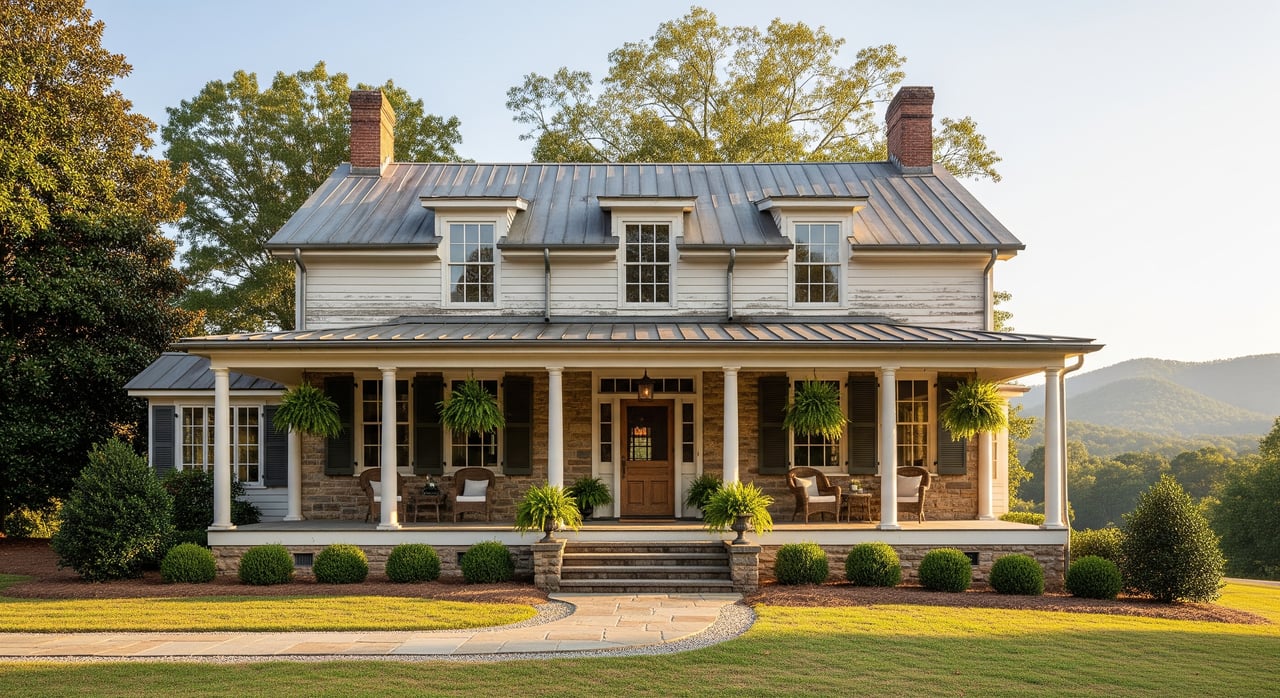
Thinking about selling your classic Morganton home and wondering what today’s buyers will expect? Older or character homes can shine in this market, but age often brings extra questions around inspections, permits, disclosures, and financing. In this guide, you’ll learn what to expect in Burke County, how to prepare for inspections, which updates pay off, how pricing works for older properties, and a realistic timeline to closing. Let’s dive in.
Why Morganton’s older homes sell differently
Older homes in Morganton and greater Burke County attract buyers who love character, craftsmanship, and walkable proximity to amenities. At the same time, age can raise concerns about systems, safety, and insurability. You’ll get the best results if you anticipate those questions, prepare the right documents, and lead with clarity about condition. That approach builds trust and speeds negotiation.
Know your property’s context
City vs. county permits
Before you plan pre-listing work, confirm where your home sits. Properties inside city limits typically work with the City of Morganton Planning & Inspections, while homes in unincorporated areas work with Burke County Building Inspections. Exterior changes, additions, and many mechanical upgrades require permits. Depending on scope, permit timelines can add weeks or months, so plan your schedule with that in mind.
Historic districts and review
Some Morganton homes are within locally designated historic districts or listed on the National Register. Local historic district status can require design review for exterior changes, and some projects may qualify for tax incentives or grants. If you intend to alter original elements, confirm rules with the city or the North Carolina State Historic Preservation Office early so you set realistic expectations.
Flood zones and utilities
Parts of Morganton lie near waterways, including Catawba River tributaries. Check FEMA Flood Insurance Rate Maps to see if your property is in a special flood hazard area and be ready to disclose that status. Also verify whether your home is on city sewer and water or uses a private septic and well. Burke County Environmental Health can outline documentation needed for transfer, which helps buyers and lenders feel confident.
What inspections reveal on older homes
Structure and moisture
Common findings include settlement cracks, sagging floors, and moisture in basements or crawlspaces. If you see significant movement or long-term water intrusion, consult a structural engineer before you list. Clear documentation helps buyers understand scope and cost, and it can prevent last-minute renegotiations.
Roof, HVAC, plumbing, and electrical
Buyers focus heavily on roof age, flashing, and any signs of leaks. HVAC systems nearing end of life, galvanized steel plumbing, or older drain lines often prompt repair requests or camera inspections. Electrical items such as knob-and-tube wiring, ungrounded outlets, or aluminum branch wiring can affect insurability and lending. Plan ahead by gathering service records and obtaining contractor estimates for dated systems.
Termites and other wood-destroying pests
Subterranean termites and other wood-destroying organisms are common in the Southeast. Many buyers request a Wood-Destroying Organism inspection and related reports. If you have a treatment history or prior repairs, compile that paperwork before listing.
Lead paint, asbestos, and mold
For homes built before 1978, federal law requires you to provide a lead-based paint disclosure and an EPA/HUD pamphlet. Asbestos may be present in older pipe wrap, floor tiles, insulation, or duct wrap. Mold and moisture can appear in older basements or unvented attics. None of these automatically derail a sale, but buyers often ask for testing, remediation estimates, or credits. Having facts in hand helps you negotiate with confidence.
Safety and code items
Chimney and venting issues, flue condition, and unpermitted additions are frequent flags. Smoke and carbon monoxide detectors should be present and working per local code at the time of sale. Address easy safety fixes before photos to keep the conversation focused on value.
Disclosures, insurance, and loans
Required North Carolina disclosures
North Carolina requires a Residential Property Disclosure Statement that notes known defects and history. If your home is pre-1978, you must also provide federal lead-based paint disclosures, any known reports, and the EPA/HUD pamphlet. Completing these early supports a smoother contract-to-close period.
How age affects insurance and lending
Lenders and insurers may require certain repairs before closing, particularly for older roofs, outdated electrical systems, or notable structural issues. Requirements vary by carrier and lender. Getting advice up front and addressing major hurdles first keeps buyers engaged and reduces delays.
Consider pre-listing inspections
A seller-paid pre-listing inspection can surface issues on your schedule rather than under tight buyer deadlines. Consider a general home inspection and a WDO report, and add septic or well inspections if applicable. Proactive documentation often shortens negotiations and can increase buyer confidence.
Prepare smart: repair, credit, or as-is
Prioritize safety and financing items
Address critical items that affect safety and financing first. Examples include active roof leaks, failing HVAC, serious electrical hazards, chimney or flue safety, septic failure, and significant moisture or structural problems. Fixing these up front typically delivers better results than negotiating large unknowns under contract.
High-impact, cost-effective updates
Choose improvements with strong visual and functional impact over full-scale remodels. Fresh interior paint, updated lighting, refinishing original wood floors, and targeted kitchen or bath refreshes can go a long way. Enhance curb appeal with landscaping, porch repairs, and an inviting entry. These projects often deliver a stronger return than tearing out period details.
Preserve character buyers value
Buyers of older homes prize original windows, trim, mantels, built-ins, and millwork. Showcase these features in your photos and staging. If any elements need work, consider professional restoration or make clear, documented disclosures. Preserving character while solving functional hurdles can help you achieve a better price.
Energy upgrades buyers notice
Air sealing, attic insulation, and efficient HVAC upgrades are attractive to many buyers. Local utility incentive programs in North Carolina may help offset costs. If you complete energy improvements, keep receipts and specifications for buyers and appraisers.
Pricing and marketing strategy in Morganton
Who your likely buyers are
Expect interest from buyers who want historic character and original details, renovators and investors if significant updates are needed, and buyers who value proximity to downtown Morganton amenities. Tailor your marketing to the most likely audience based on your home’s condition and features.
Write a transparent listing
Spell out the home’s approximate age, standout original features, recent mechanical upgrades, any historic designation, and a summary of maintenance history. Transparency builds trust with buyer agents and reduces retrades. If you know of issues, state them plainly and provide estimates where reasonable.
Expect and manage inspections and credits
Negotiation around inspection items is common with older homes. Consider offering a reasonable allowance or credit for smaller deferred projects, and have estimates ready for larger issues. For well-maintained character homes, price to reflect both architectural value and the typical costs to bring systems up to modern standards.
Timeline and seller checklist
A realistic timeline
- Gather documents like deed, survey, tax records, appliance manuals, and service records: about 1 to 2 weeks.
- Order pre-listing inspections, including WDO and septic or well if applicable: schedule and receive reports in 1 to 3 weeks.
- Complete prioritized repairs and safety fixes such as roof, electrical, septic, or chimney: about 2 to 8 weeks depending on scope and permits.
- Cosmetic updates and staging: about 1 to 4 weeks, which can overlap with repairs.
- Listing preparation, professional photos, and final disclosures: about 1 to 2 weeks.
- Time on market, negotiation, and inspection contingency: varies by market; negotiations typically add 1 to 3 weeks after you accept an offer.
- Closing period: usually 30 to 60 days from contract, sometimes longer for renovation loans or special lender conditions.
Practical checklist
- Compile service records for HVAC, roof, pest treatments, and major repairs.
- Obtain a recent WDO report and note any treatment history.
- If on septic or well, gather pumping records, permits, and health department documentation.
- Confirm whether any additions or major changes were permitted and locate permit records.
- Decide whether to order a pre-listing inspection and act on safety or financing-related items.
- Prepare the NC Residential Property Disclosure and, if pre-1978, the federal lead-based paint forms and pamphlet.
- Verify insurance considerations and note any issues buyers might face.
- Install or test smoke and CO detectors to ensure proper operation.
- Stage to highlight original features and neutralize highly personal design choices.
Ready to talk it through?
Selling an older home is about balancing character with clarity. If you want a plan tailored to your property, I’m here to help you price confidently, prepare wisely, and market to the right buyers. Connect with me at Tim Newton to start a conversation about your goals in Morganton and Burke County.
FAQs
What do I have to disclose when selling a pre-1978 home in North Carolina?
- You must provide the state’s Residential Property Disclosure and the federal lead-based paint disclosure, including the EPA/HUD lead pamphlet and any known lead reports.
Is a pre-listing inspection worth it for an older Morganton home?
- Yes. A seller-paid inspection, plus a WDO report and septic or well checks if applicable, can reduce surprises, support pricing, and speed negotiations.
How do historic district rules affect selling in Morganton?
- Local historic district status can require design review for exterior changes and may offer incentives, so confirm requirements with the city or the state preservation office early.
Will old wiring or an aging roof block buyer financing?
- It can. Some lenders and insurers require repairs or replacements for items like knob-and-tube wiring or older roofs before closing, so address major issues up front.
What is the typical closing timeline for older homes in Burke County?
- After accepting an offer, most closings take 30 to 60 days, with an added 1 to 3 weeks for negotiations; renovation loans or special conditions can extend that window.