Wish you could park once and have your daily errands, a coffee, and a pocket park all within a short walk? If you’re drawn to small-town rhythm with real convenience, downtown Morganton can deliver that lifestyle. In this guide, you’ll learn what walkable living looks like here, the home types and streets that usually support it, and how to evaluate a property for everyday convenience. You’ll also get a practical checklist to make smart decisions. Let’s dive in.
What walkable living means here
Walkable living in a small city like Morganton means a park-once routine where you can reach daily needs on foot. As a simple benchmark:
- A 5-minute walk is about 0.25 mile.
- A 10-minute walk is about 0.5 mile.
- A 15-minute walk is about 0.75 to 1 mile.
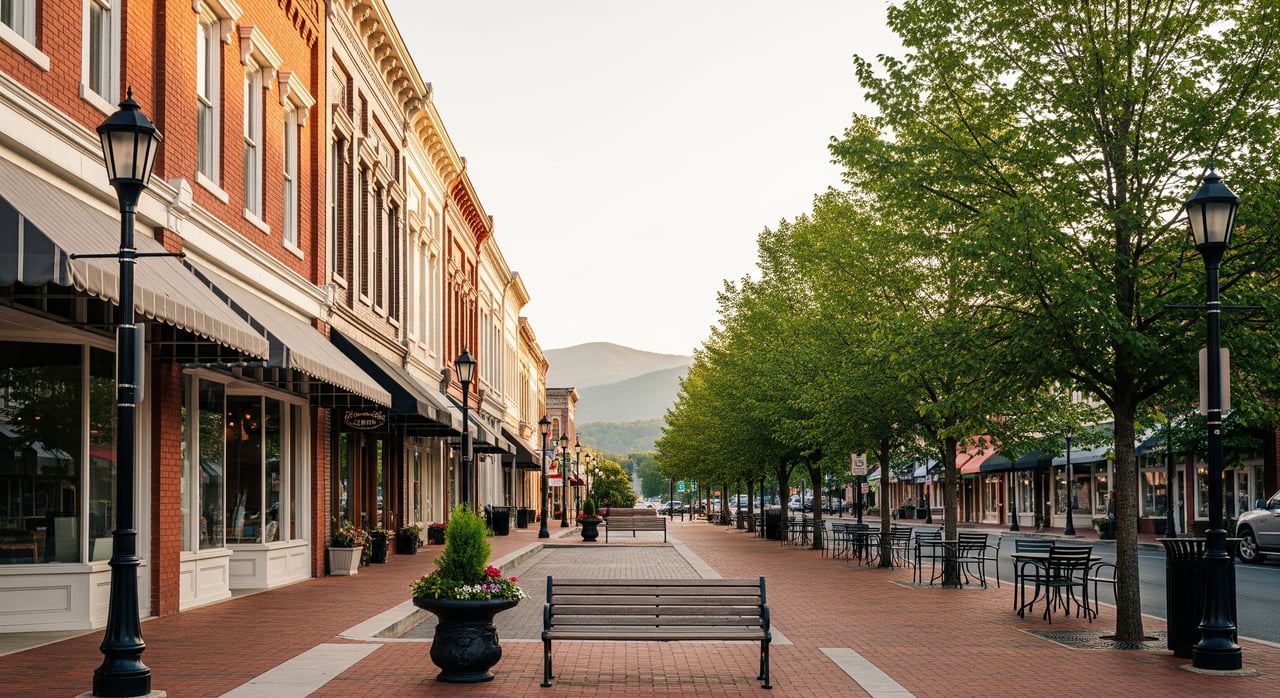
You’ll often find the highest concentration of shops, services, and gathering places clustered in and around the historic downtown core, with tree-lined residential blocks just beyond. Expect a lively calendar on weekends and during seasonal events, with quieter evenings on weekdays.
Downtown core: what to expect
The heart of walkability typically centers on Main Street blocks and the courthouse area, where you can find everyday services, casual dining, and civic buildings within a compact footprint. In a small-city context, this core usually includes:
- Retail and daily services: convenience items, coffee, banks and ATMs, and personal care.
- Public and civic services: post office, library, and municipal offices.
- Parks and public spaces: courthouse lawn, small plazas, and pocket parks.
- Community programming: farmers markets, concerts, and art walks on a weekly or seasonal basis.
Most residents who live within a 10-minute walk of these blocks can handle many errands without a car. Larger errands may still require a short drive.
Grocery and errands realities
In many small towns, a full-service supermarket is not always inside the tight downtown radius. If that’s the case for your target block, plan on a quick drive for bigger trips while keeping daily needs like coffee, a pharmacy stop, or a bank within a 5 to 10-minute walk. Use minutes, not miles, when you map your routine.
- Aim to be within 10 minutes on foot of coffee, a pharmacy, and a few restaurants.
- Try for a 15-minute walk radius to reach a larger park or weekend market.
- Keep a car handy for bulk groceries and regional errands.
Nearby neighborhoods that tend to walk well
You’ll see a few housing patterns that usually support a walkable lifestyle near downtown:
- Mixed-use downtown blocks: Apartments or lofts above retail put you closest to amenities.
- Historic grid streets: Bungalows, cottages, and older single-family homes on narrow lots with sidewalks are common in near-downtown areas.
- Infill and small buildings: Renovated mill houses or small apartment buildings can offer close-in options with lower maintenance.
Tradeoffs are normal. Homes on quieter streets might sit a few minutes farther from restaurants but offer more yard space and easier parking. Living above retail maximizes convenience but may come with more evening activity.
Housing types and buyer tips
Walkable cores often draw strong demand and can carry a premium. If you’re considering a historic property near downtown, plan for the possibility of updates such as mechanical systems or insulation. If you anticipate a renovation, it’s smart to ask about any historic district guidelines or rehabilitation incentives that could affect design choices and budgets.
Practical listing strategies as you search:
- Look for phrases like “within 0.5 mile of Main Street” or “sidewalks on both sides of the street.”
- Consider upstairs apartments over retail for maximum convenience.
- Check for off-street parking availability, or confirm street-parking rules for residents and guests.
Sidewalks, crossings, and lighting
Walkability hinges on how comfortable it feels to move around. When you tour a home, review the actual route you’ll take to your regular stops. Notice sidewalk continuity, curb ramps, and any obstructions. Check crosswalks at busier intersections and look for street lighting if you plan to walk in early mornings or evenings.
If you bike, scan for lanes or shared markings and how easily neighborhood streets connect to green spaces or any local greenway segments. Low-traffic residential streets usually feel more comfortable on foot than major arteries.
Getting around: transit and driving
Public transit in small cities is typically limited, so even in a very walkable location, a car remains useful for regional trips and bulk errands. Living near the core can reduce daily driving and make spontaneous walks to dinner, a library stop, or a weekend market part of your normal routine.
A day in the life on foot
Here’s how a park-once day might look when you live within a 10-minute walk of downtown:
- Morning: Grab coffee within 5 minutes and swing by an ATM on the same block.
- Midday: Walk 10 minutes to lunch, then visit the library or post office.
- Afternoon: Pick up a small grocery item or pharmacy refill on foot.
- Evening: Stroll to a casual dinner or a seasonal concert and be home in 10 minutes.
This rhythm turns short walks into part of daily life and reduces the need to circle for parking between every errand.
Parking and event patterns
Older, near-downtown homes may have limited off-street parking. On-street parking is often available, though spaces can tighten during busy events. Ask about any posted time limits, resident permits, or guest options. If you plan to host often, consider how event schedules might affect parking on your block.
How to evaluate a walkable home
Use this quick checklist as you tour:
- Time key walks: coffee, pharmacy, post office, lunch spot, and a park. Aim for 5, 10, and 15-minute benchmarks.
- Walk at your real times: weekday mornings, after work, and Saturday midday.
- Map sidewalk continuity and lighting along your exact route.
- Confirm pharmacy and grocery hours for your schedule.
- Ask about parking rules and event impacts on your street.
- Review recent sales near downtown to gauge demand and resale potential.
- Check floodplain maps if the property sits near creeks or low-lying areas.
- If renovating, confirm any historic district design review or incentives.
Resale outlook and demand
Walkable cores tend to stay desirable because daily convenience is hard to replicate. Being within a short walk of services and community spaces can support strong long-term demand, especially for well-maintained historic homes and low-maintenance close-in options. As always, condition, pricing, and exact location within the core matter.
How I can help
If you’re drawn to a park-once lifestyle in Morganton, I’ll help you compare specific blocks, weigh tradeoffs, and understand how sidewalks, parking, and local rules affect your day-to-day. With 35-plus years in Burke County, I know which near-downtown streets typically deliver convenient routines and what to watch for in historic homes.
Ready to explore your options or map a 10-minute walk radius around homes on your shortlist? Reach out to me at Tim Newton and let’s walk it together.
FAQs
Can I live in Morganton without a car?
- You can cover many daily needs on foot if you live near the downtown core, but a car is still useful for bulk errands and regional trips.
What walking distances should I plan for?
- Use 5 minutes for quick stops (about 0.25 mile), 10 minutes for basic errands (about 0.5 mile), and 15 minutes for larger parks or events (about 0.75 to 1 mile).
Which home types support walkability?
- Mixed-use downtown apartments, historic grid homes with sidewalks, and small infill buildings near the core usually offer the best walking access.
How do I check sidewalk safety and lighting?
- Walk your actual routes at the times you plan to use them, noting sidewalk continuity, crosswalks at busy intersections, curb ramps, and streetlights.
What about parking near downtown homes?
- Older homes may have limited off-street parking; confirm on-street rules, any resident permits, guest options, and event impacts on available spaces.
Will a walkable home hold value?
- Walkable locations often remain in demand due to daily convenience and community life, though pricing, condition, and exact location drive outcomes.