Thinking about listing your Lake James waterfront home before spring? You want strong offers, smooth inspections, and no last‑minute surprises. With a little planning, you can showcase the shoreline lifestyle buyers love while staying compliant with the rules that govern docks, water, and shore work. In this guide, you’ll get a clear, step‑by‑step checklist tailored to Lake James properties near Nebo so you can list with confidence. Let’s dive in.
Know the rules before you trim or repair
Before you prune trees, fix a dock, place riprap, or schedule drone photos, confirm what permits or approvals you need. Lake James involves coordination with Duke Energy, state agencies, and McDowell County. A quick round of calls up front can save time, money, and headaches later.
Duke Energy and shoreline permits
Duke Energy manages Lake James and typically oversees shoreline policies, normal pool areas, and approvals for docks and shoreline alterations. If you plan any dock repairs, lift installations, or bank stabilization, contact Duke Energy’s lake management team to confirm what is allowed and whether you need written approval. Keep any existing approvals or permits handy for buyers.
County septic, well, and building checks
McDowell County Environmental Health handles septic and well matters, including permits, inspections, and water testing guidance. Planning and building departments can advise on setbacks and accessory structures. If you have a shared dock or boathouse, confirm any recorded agreements and ask the county about documentation requirements for your listing file.
Flood zone and insurance
Review your flood zone on FEMA’s Flood Map Service. If your property requires an elevation certificate or has a flood insurance policy, gather that information now. Buyers will ask about risk and policy costs, and having these details ready builds trust.
Drone and park rules
Aerial photos help showcase lot lines, dock placement, and water access. If you plan to use a drone, the pilot must follow FAA rules for small UAS. Also check for any local restrictions and be mindful of Lake James State Park rules that may limit drone operations over park land.
Prep the shoreline and dock
Walk your shore and dock like a buyer would. You want safety, clean sightlines, and a natural look that protects water quality.
Shape view corridors with care
Selective pruning is your friend. Focus on removing lower branches to open sightlines rather than taking out mature trees. Maintain a buffer of native grasses, shrubs, and trees to stabilize soil and filter runoff. Avoid large‑scale clearing or burning until you confirm what is allowed with Duke Energy and the county.
Tidy the shoreline and control erosion
Remove debris, dead limbs, and visible trash. Define a clear, safe path to the water and dock. If you see bank slumping or erosion, consult a licensed contractor and review state guidance on stabilization methods. Options can include living shorelines that use native plantings and coir logs, or engineered solutions like riprap where permitted. Do not install riprap or a seawall without approvals.
Inspect dock structure and utilities
Look closely at fasteners, pilings, deck boards, rails, cleats, and ladders. Replace rotten boards, tighten hardware, and confirm the dock sits level and stable. If you have electricity at the dock, hire a licensed electrician to verify GFCI protection and code‑compliant wiring. Gather any dock permits or recorded agreements so buyers can see the paper trail.
Stage the dock and outdoor areas
Pressure‑wash and, if appropriate, seal the decking. Clear the dock of unrelated items and clutter. Keep only a few chairs or simple seating for photos and showings. If you have a private ramp or shared launch, confirm your access rights and make sure signage and parking areas are neat and safe.
Watch for invasive species
Be mindful of aquatic invasive species. Remove and properly dispose of any visible growth on dock structures. If you or your guests use boats, encourage clean, drain, and dry practices to protect Lake James.
Time photos for maximum impact
Great marketing starts with the right light and calm water. Plan your photo shoot to highlight the best of your property and the lake.
Choose the right season and lake level
Early spring, before full leaf‑out, can show long‑range views. Later spring brings lush greenery that many buyers love. Check recent and predicted lake levels through Duke Energy’s updates so you can schedule photos at or near normal pool if possible.
Pick optimal days and times
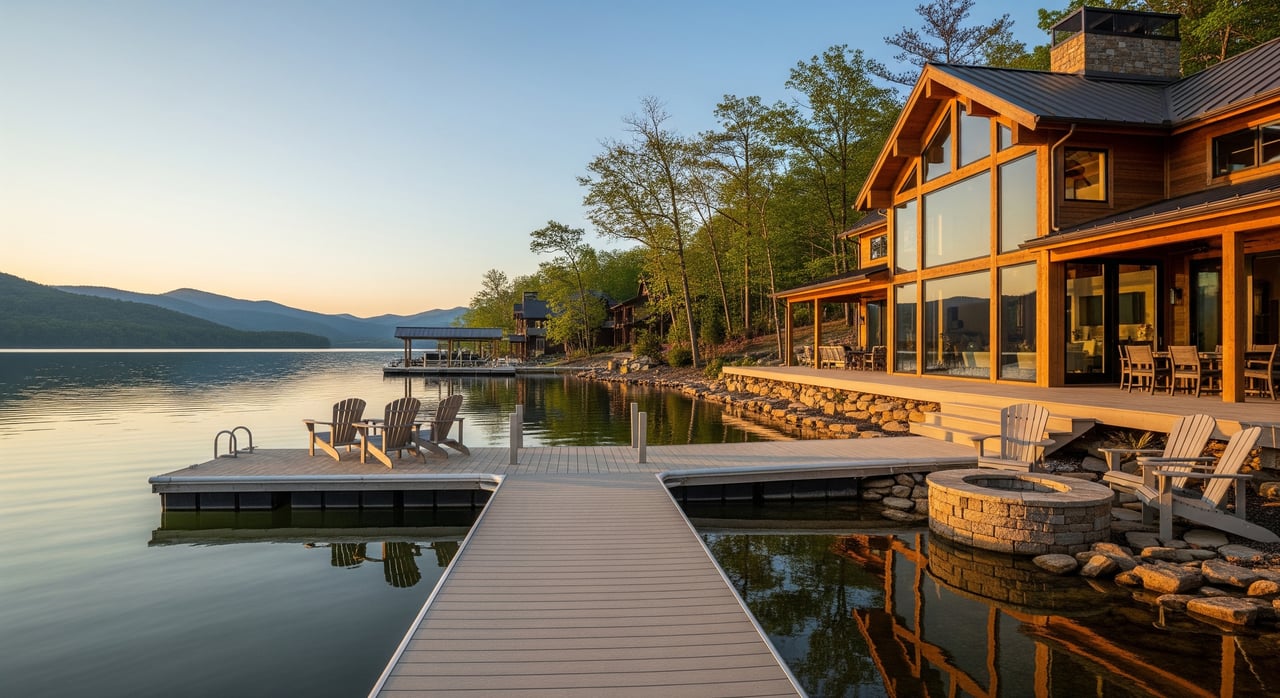
Early morning often brings glassy water and low boat traffic. Golden hour shortly after sunrise or before sunset warms up exterior shots. Overcast days soften shadows for exteriors and interiors. Avoid windy days that create choppy water.
Cover the right angles and features
Plan wide shots from the main living areas, yard, shoreline, and dock. Include stairs, paths, outdoor seating, and any lake amenities. If aerials are allowed, hire a licensed drone pilot to capture lot shape and dock proximity. Declutter any personal items and extra gear before the shoot so the view and water take center stage.
Anticipate buyer questions and disclosures
Waterfront buyers care about safety, water access, maintenance, and enforceable rights. Preparing your documentation now makes negotiations smoother later.
Consider pre‑listing inspections
- Dock and shoreline structures: A contractor summary or structural check to verify safety.
- Septic: Inspection and pumpout with a written report.
- Well: Lab test for coliform bacteria and nitrates, plus any additional local parameters.
- Home systems as needed: Roof, structural, or electrical if there are visible concerns.
- Survey: A clear map of lot boundaries, shoreline interface, and any recorded easements.
Assemble key documents
- Copies of Duke Energy shoreline approvals or permits for your dock or shore work.
- Septic installation, repair, and pumpout records; well logs and water test results.
- A current survey and any deed language about riparian rights, shared docks, or access agreements.
- Homeowner association or private dock agreement documents, if applicable.
- Any recent notices about lake levels or maintenance that could affect access.
Prepare for common buyer questions
- Who owns what at the shoreline and is the dock permitted? Keep Duke Energy references and deeds handy.
- What are ongoing maintenance costs for the dock, lift, or shared facilities? Provide logs or recent estimates.
- What is the septic history? Share inspection and service records.
- Is the property in a flood zone, and are there elevation certificates or prior claims? Bring FEMA findings and insurance details.
- Are there known water quality advisories? Include any recent local notes you have.
Step‑by‑step checklist for Lake James sellers
- Regulatory checks
- Contact Duke Energy Lake Management to confirm shoreline policies and any approvals needed.
- Verify county requirements for septic, well, and accessory structures with McDowell County offices.
- Review FEMA flood maps and identify any insurance or elevation certificate needs.
- Safety and inspections
- Schedule a dock and boathouse inspection; make essential safety repairs.
- Arrange a septic inspection and pumpout; keep the written report.
- Test well water for coliform bacteria and nitrates; add other tests as advised locally.
- Hire a licensed electrician to evaluate any dock electrical service.
- Shoreline and yard preparation
- Selectively prune to open view corridors; keep native buffers for erosion control.
- Remove debris and dead limbs on the shoreline; confirm permits before any in‑water work.
- Tidy paths, outdoor seating, and dock surfaces; pressure‑wash as needed.
- Visual staging and photography
- Book professional photos for early morning or golden hour.
- Confirm expected lake level near normal pool before the shoot.
- Hire a licensed drone pilot if aerials are desired and allowed.
- Declutter docks, patios, and yards so the lake view stands out.
- Documentation and disclosures
- Gather dock permits, approvals, surveys, and any shared access agreements.
- Compile septic and well records, including recent test results.
- Prepare disclosures on flood history, known repairs, and any lake management notices.
- Access and amenities
- Confirm legal access to any private or shared ramp; label parking areas clearly.
- Share local contacts in your listing packet, such as marinas, dock contractors, and county health.
Pro tips for showings on Lake James
- Lean into calm water. Early morning showings often feel more peaceful and showcase reflections.
- Choose the right sunset. If your orientation captures sunsets, plan evening showings on clear days.
- Avoid peak boat traffic. Midday on weekends can be noisy and busy. Weekday or morning slots can feel more relaxed.
- Be transparent about safety. If the dock had repairs, point out what was done and provide receipts.
Ready to sell with confidence
When you prepare the shoreline, verify permits, and organize your records, you help buyers say yes with fewer contingencies. You also protect your negotiating power and timeline. If you want a hands‑on plan for Lake James and Nebo, I’m here to help you prioritize, schedule, and market your home to the right buyers.
If you’re ready to start, reach out to Tim Newton. Let’s connect and build your custom pre‑listing plan for a standout spring launch.
FAQs
What permits do I need for dock repairs on Lake James?
- Contact Duke Energy’s lake management team to confirm shoreline policies and required approvals, and verify any county permits before you start work.
How should I handle septic and well before listing a waterfront home?
- Schedule a septic inspection and pumpout with a written report and test private well water for coliform bacteria and nitrates, then share results with buyers.
When is the best time to photograph a Lake James waterfront property?
- Early morning or golden hour on a calm day typically showcases glassy water and warm light; aim for photos near normal pool levels.
How do I verify flood risk and insurance for a Lake James home?
- Check your property’s flood zone on FEMA’s maps, gather any elevation certificates, and confirm insurance implications before listing.
Are drones allowed for real estate photos around Lake James?
- Yes, if the pilot follows FAA rules and respects local restrictions; confirm any limits near Lake James State Park and obtain permissions as needed.